
Owning rental property in North Texas can be highly profitable—but only for landlords who plan ahead. Long-term maintenance planning in Dallas isn’t optional; it’s essential. Between triple-digit summer heat, sudden hailstorms, high humidity, and clay-rich soil that causes foundation shifts, Dallas properties face unique challenges year-round. Proactive maintenance helps you reduce emergency repairs, stay compliant with the Texas Property Code, and ultimately protect your return on investment (ROI).
At Northpoint Asset Management – Dallas, we help landlords take a strategic, preventive approach to maintaining their rental homes—so small issues never become expensive disasters.
Key Takeaways
Dallas weather demands a season-based maintenance calendar to prevent costly heat, storm, and freeze-related damage.
Biannual HVAC servicing, roof inspections, and gutter cleaning significantly reduce emergency repair costs.
A 10+ year capital improvement (CapEx) plan protects your long-term ROI and prevents financial surprises.
Budgeting 1–2% of your property’s value annually ensures maintenance costs don’t derail your cash flow.
Staying compliant with Texas habitability laws protects you legally while improving tenant satisfaction and retention.
Why Long-Term Maintenance Planning in Dallas Matters
Dallas landlords face environmental factors that many other markets simply don’t:
Extreme summer heat strains HVAC systems.
Severe storms and hail damage roofs and gutters.
High humidity contributes to mold and wood rot.
Expansive clay soil causes foundation movement and cracking.
Sudden winter freezes burst unprotected pipes.
Without a proactive maintenance strategy, landlords risk higher vacancy, unexpected expenses, and potential legal liability. Long-term maintenance planning in Dallas means anticipating these risks and addressing them before they escalate.
The Dallas-Specific Maintenance Calendar
Because of intense heat and storm seasons, a strict, season-based schedule is critical to avoid reactive, expensive repairs.
Spring & Summer (Pre-Storm and Peak Heat Preparation)
North Texas summers can push HVAC systems to their limits.
Recommended Tasks:
Inspect the roof for loose shingles or storm damage.
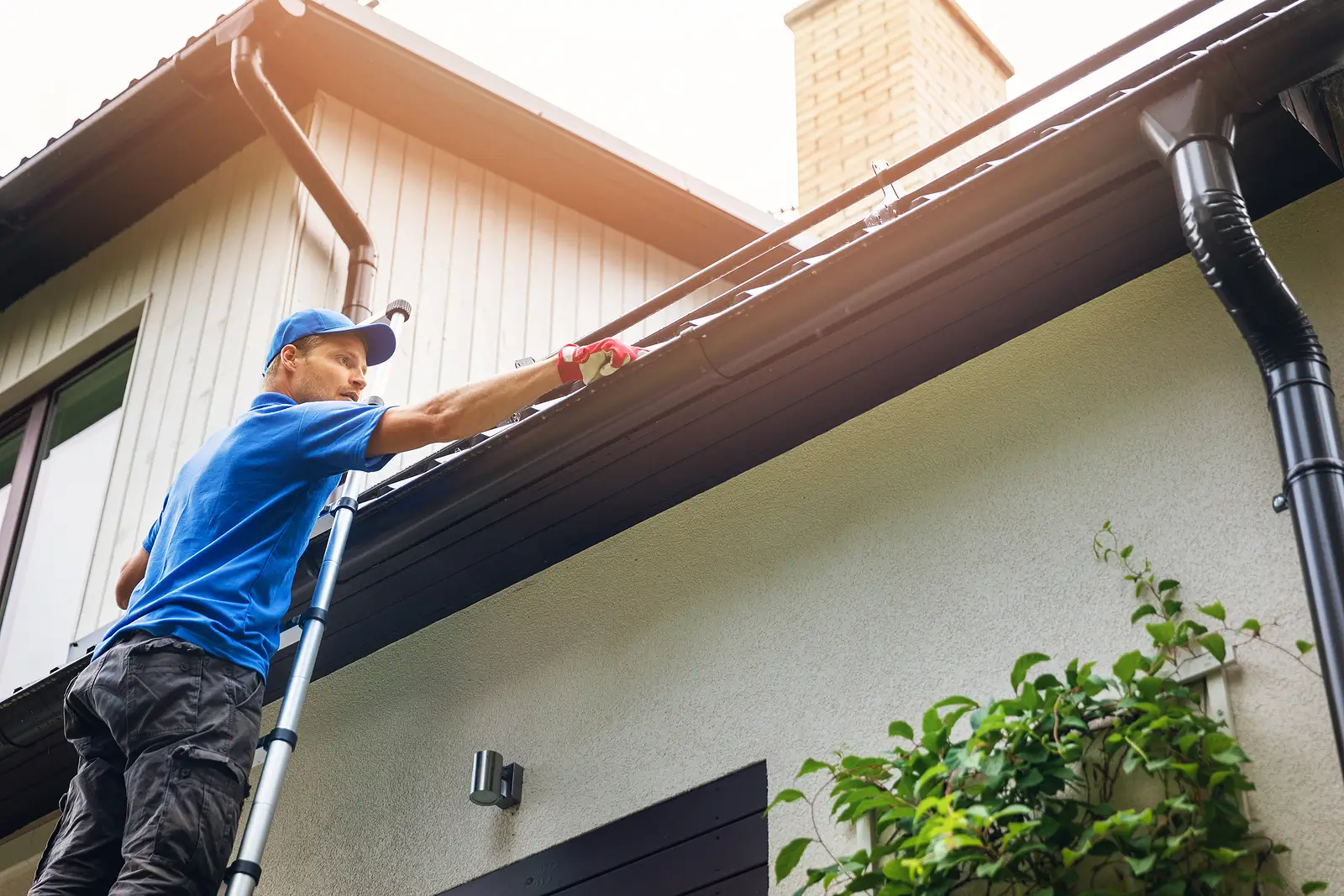
Clean gutters and downspouts to prevent water intrusion.
Service AC units (check refrigerant levels, clean coils, clear condensation lines).
Test sprinkler systems for efficiency.
Trim trees away from the roof and siding to prevent storm damage.
Skipping summer HVAC maintenance is one of the most common (and costly) landlord mistakes in Dallas.
Fall & Winter (Pre-Freeze Preparation)
Though winters are generally mild, sudden freezes can cause catastrophic plumbing damage.
Critical Tasks:
Service the heating system.
Caulk and seal windows and doors to improve energy efficiency.
Insulate exposed exterior pipes.
Winterize irrigation systems.
Drain and protect outdoor faucets.
One burst pipe can cost thousands in water damage repairs—preventive insulation costs far less.
Quarterly Maintenance Tasks
Consistency matters just as much as seasonal planning.
Test smoke and carbon monoxide detectors.
Change HVAC air filters.
Conduct pest control inspections (essential in North Texas).
Inspect plumbing for small leaks.
Quarterly pest control treatments are especially important in Dallas, where termites and other pests thrive in warm climates.
Long-Term Capital Improvement Planning (CapEx)
Routine maintenance keeps your property functioning—but smart landlords plan for major system replacements.
A 10+ year capital improvement plan is critical, especially for properties over 15 years old.
Major Replacement Costs to Plan For:
Roof Replacement: $9,000–$18,000 (asphalt shingles average).
HVAC Replacement: $7,000–$12,000.
Water Heater: Replace every 8–12 years.
Foundation Repair: Monitor cracks and sticking doors/windows due to clay soil.
Exterior Painting/Siding: Prevent water intrusion and wood rot.
Dallas soil movement makes foundation monitoring particularly important. Even minor shifts can worsen over time if ignored.
At Northpoint Asset Management – Dallas, we help landlords forecast these expenses years in advance so replacements don’t feel like emergencies.
Budgeting for Maintenance: Smart Financial Strategies
Treating maintenance as an “unexpected expense” is a mistake. It’s a predictable cost of doing business.
1% Rule
Set aside 1% of your property’s value annually.
Example:
$300,000 property = $3,000/year for maintenance
Per Square Foot Rule
Budget $1 per square foot annually.
Example:
2,000 sq ft home = $2,000/year
Aging Property Adjustment
For properties over 20 years old, increase your budget to 2% annually.
Older homes often require:
Plumbing updates
Electrical improvements
Roofing replacements
Structural repairs
Emergency Fund
Set aside $500–$1,000 annually specifically for emergency repairs such as:
Sudden plumbing leaks
AC failures in peak summer
Furnace breakdowns
A dedicated reserve fund protects your cash flow and reduces financial stress.
Legal Compliance & Tenant Relations in Texas
Under Texas law, landlords are bound by the implied warranty of habitability. This requires:
Functional plumbing
Reliable heating and cooling
Safe structural conditions
No serious health hazards
Failure to address issues promptly can lead to legal disputes or tenant termination rights.
Response Time Matters
A small leak today becomes mold damage tomorrow. Acting quickly:
Protects your property
Maintains tenant satisfaction
Reduces long-term repair costs
Preserves your reputation as a responsible landlord
Professional Inspections
Schedule at least annual—preferably biannual—inspections with licensed professionals to:
Identify safety hazards
Catch early signs of foundation movement
Check roof and attic conditions
Evaluate HVAC performance
Document Everything
Use property management software to:
Track maintenance history
Log vendor invoices
Store inspection reports
Maintain compliance records
Good documentation protects you legally and financially.
Proactive Tips for Dallas Landlords
Build a Trusted Vendor Network
Before you need them, establish relationships with:
Licensed plumbers
HVAC technicians
Electricians
Foundation specialists
General handymen
Working with vetted, insured professionals ensures faster response times and better pricing.
Prioritize Preventive Pest Control
North Texas pests can quickly damage property and create tenant complaints. Quarterly treatments are essential.
Optimize Turnovers
When a tenant moves out:
Repair damage immediately.
Refresh paint where needed.
Update fixtures if outdated.
Deep clean thoroughly.
Fast, efficient turnover reduces vacancy days and maintains property value.
How Professional Property Management Supports Long-Term Planning
Managing maintenance alone can be overwhelming—especially if you own multiple properties or live outside Dallas.
At Northpoint Asset Management – Dallas, we provide:
Customized long-term maintenance planning in Dallas
Vendor coordination and oversight
Routine inspections
Budget forecasting and CapEx planning
Legal compliance support
Emergency repair management
Our proactive approach helps landlords shift from reactive repairs to strategic asset management.
Frequently Asked Questions
1. How much should Dallas landlords budget annually for maintenance?
Most experts recommend budgeting 1% of your property’s value annually, or $1 per square foot. Older homes may require closer to 2%.
2. How often should HVAC systems be serviced in Dallas?
At least twice per year—once before summer and once before winter. Given Dallas’s extreme heat, biannual servicing helps prevent mid-summer system failures.
3. Why is foundation monitoring so important in Dallas?
Dallas has expansive clay soil that expands and contracts with moisture changes. This movement can cause cracking, uneven floors, and sticking doors. Regular monitoring prevents minor shifts from becoming major structural repairs.
Protect Your Investment with Smart Planning
Long-term maintenance planning in Dallas is the difference between consistent cash flow and constant emergencies. By following a structured seasonal calendar, budgeting strategically, and planning for capital improvements, landlords can reduce risk, improve tenant retention, and maximize ROI.
If you want a proactive partner to help you manage and protect your investment property, Northpoint Asset Management – Dallas is here to help.
Contact us today to learn how we simplify maintenance planning and protect your long-term returns.
